Fall Retro Style Foliage Decor Pattern Review
As a designer who has spent years stitching custom apparel and curating assets for small businesses, I approach every new download with a mix of excitement and skepticism. The market is flooded with generic graphics, but finding a machine embroidery design that truly balances aesthetic charm with technical feasibility is rare. Recently, I put the Fall Retro Style Foliage Decor Pattern to the test before incorporating it into my own boutique product line. My goal was to see if this embroidery file could stand up to real-world production demands while delivering the cozy, nostalgic vibe it promises.
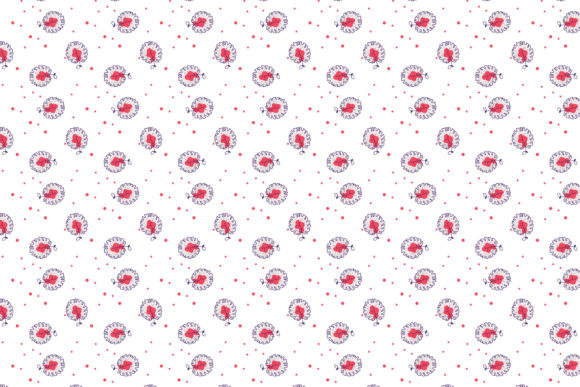
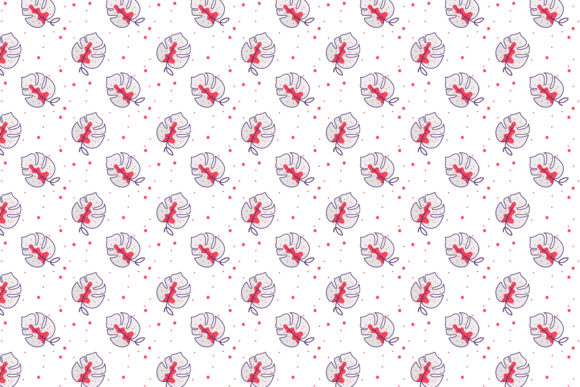
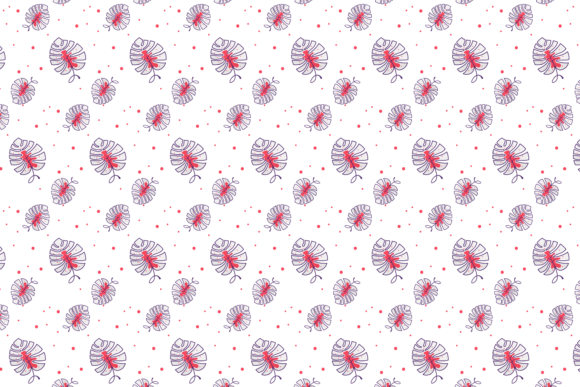
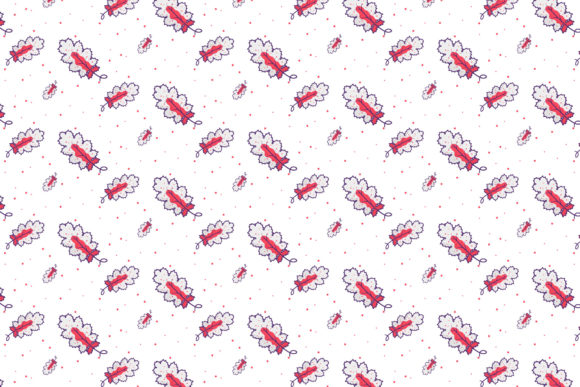
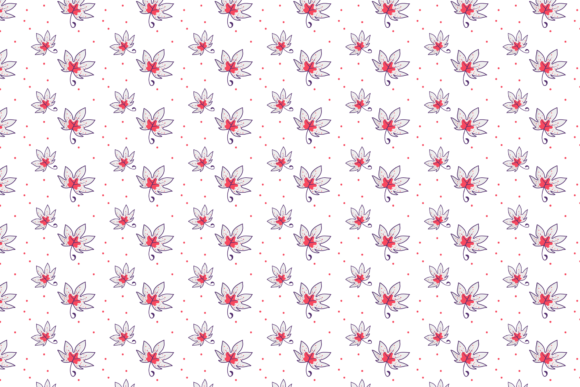
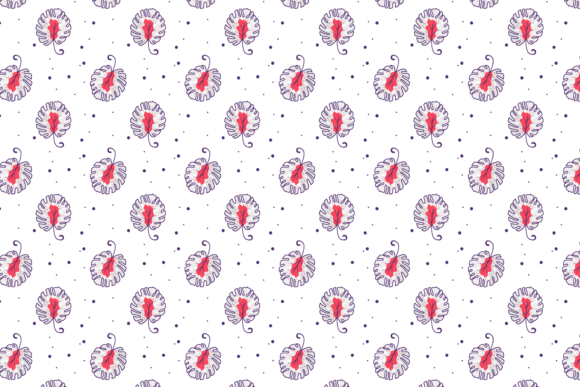
The first impression of the Fall Retro Style Foliage Decor Pattern is undeniably warm. It captures that specific mid-century autumn mood without feeling cluttered or dated. Unlike many modern designs that rely on hyper-realism, this piece leans into stylized shapes and a cohesive color palette that feels intentional. When you look at the layout, there is a clear sense of rhythm in how the leaves and vines flow. This isn't just a random collection of shapes; it is a structured pattern designed to work within the constraints of an embroidery hoop. For designers looking for graphics that translate well from screen to fabric, the initial visual personality here is strong.
Real-World Application: The Custom Tote Bag Scenario
To understand how this design truly performs, we have to move beyond the digital preview and imagine the finished product. I decided to use the Fall Retro Style Foliage Decor Pattern as the centerpiece for a custom embroidered tote bag intended for a holiday craft fair. The challenge with tote bags is balancing durability with detail. If the design is too dense, the fabric puckers; if it is too sparse, it looks unfinished.
When I imported the design into my digitizing software, I immediately noticed the clarity of the lines. The pattern lends itself perfectly to a combination of satin stitch for outlines and fill stitch for the foliage bodies. On a canvas tote, the retro feel really pops because the sturdy fabric can handle the weight of the stitches without distorting. I tested the placement on the front panel, centering the motif. The result was a clean, professional-looking handmade product that felt ready for retail. Customers browsing the booth stopped specifically because the embroidery had depth and texture, proving that the stitch density was appropriate for this type of application.
This same logic applies to other items like aprons or kitchen towels. The Fall Retro Style Foliage Decor Pattern works beautifully on cotton blends where the thread needs to sit flush against the weave. However, I would hesitate to use this exact design on a stretchy knit sweatshirt without significant testing. While the retro aesthetic fits casual wear, the structural integrity of the pattern relies on a stable base. If you are an Etsy seller focusing on baby clothes or caps, you must be cautious. A cap's curved surface can distort a wide pattern, making the foliage look stretched unless the design is significantly reduced in size.
Navigating Technical Constraints and Fabric Choices
Every experienced embroiderer knows that the magic happens in the details, but also where things can go wrong. With the Fall Retro Style Foliage Decor Pattern, there are specific areas where you need to exercise judgment. First, consider the hoop size. The design features a fairly expansive layout. If you attempt to stitch this on a small 4x4 inch hoop, you will likely lose the corners of the foliage, breaking the continuity of the pattern. It is best suited for medium to large hoops, typically 5x7 inches or larger, to maintain the full visual impact.
Fabric selection is equally critical. The retro style relies on distinct edges to define the leaf shapes. On textured fabrics like bouclé or heavy chenille, the fine details might get lost in the pile. Similarly, on thin or sheer materials, the tension required for the running stitch and fill areas could cause the fabric to pucker excessively. I recommend sticking to medium-weight cottons, denim, or twill. If you plan to use this for commercial embroidery on dark fabrics, you will need to ensure your underlay settings are robust enough to prevent the lighter threads from sinking into the weave. Without proper stabilizer, the design may shift during the run, ruining the symmetry that makes this pattern so appealing.
Another consideration is the longevity of the finished item. Because this design uses a decorative accent style, it should not be placed on high-friction areas like the cuffs of a sweatshirt or the seat of a pair of pants. Frequent washing and friction can cause the threads to pill or fade faster than simpler geometric patterns. For a personalized gift or a boutique item meant to last, placing the Fall Retro Style Foliage Decor Pattern on a pillow cover or a wall hanging is a much safer bet than on frequently laundered apparel.
Practical Notes for the Professional Designer
If you are planning to integrate this asset into your workflow, whether for personal projects or a craft business, there are several steps you must take before hitting the "Start" button on your machine. Always test the design on scrap fabric first. This simple step reveals issues with thread tension, color contrast, and potential distortion that you cannot see on a computer screen.
I strongly advise checking the thread colors against your chosen fabric background. The retro palette is beautiful, but if the contrast is too low, the design will disappear. Try creating a black and white mockup to visualize the value range of the stitches. You also need to review the specific file formats provided. The product listing mentions AI files and digital canvases, which are excellent for editing, but you will need to convert these into your machine's native format (like .DST, .PES, or .EXP) using appropriate digitizing software. Do not assume the AI file is directly readable by your embroidery machine.
Licensing is another crucial factor. Before selling finished products made with the Fall Retro Style Foliage Decor Pattern, confirm the terms of use. Some digital embroidery files allow commercial sales of the final item but restrict the resale of the digital file itself. As a small shop owner, understanding these boundaries protects your brand and ensures you aren't infringing on intellectual property rights. Additionally, inspect the small details closely. Sometimes, intricate elements in a pattern can become tiny, hard-to-see blobs when stitched at a smaller scale. If you are targeting the baby embroidery market, ensure the details remain crisp even when scaled down.
Final Verdict on Visual Appeal and Value
The Fall Retro Style Foliage Decor Pattern succeeds in delivering a cohesive, stylish look that elevates any project it touches. It moves beyond being a simple clipart image and functions as a true embroidery project with structure and intent. For creative entrepreneurs looking to expand their inventory with seasonal items, this design offers a versatile foundation. It adds a touch of nostalgia that resonates with buyers looking for unique, artisanal goods.
However, its success depends entirely on the execution. It requires careful attention to fabric texture, proper stabilization, and realistic expectations regarding hoop size and fabric stability. When executed correctly, the finished product exudes professionalism and care, boosting customer trust and engagement. It transforms a standard tote or towel into a statement piece. But if rushed or applied to unsuitable materials, the potential is wasted. Use this pattern wisely, respect the technical requirements of machine embroidery, and you will find it to be a valuable addition to your design assets.
In conclusion, the Fall Retro Style Foliage Decor Pattern is a solid choice for those willing to invest time in preparation. It bridges the gap between trendy aesthetics and practical utility, making it a worthy candidate for your next holiday collection or boutique launch. Just remember: the best results come from thoughtful planning and rigorous testing before the final stitch.