Fall T-Shirt Design 26: A Designer's Real-World Review
As a designer who spends more time with my embroidery machine than I do in the office, I have learned that not every digital file translates perfectly to the needle. There is often a gap between what looks good on a screen and how it behaves under tension. When I first encountered Fall T-Shirt Design 26, I was looking for something versatile enough to bridge the gap between a quick hobby project and a sellable boutique item. This review breaks down exactly how this design performs when moved from a vector file to a stitched reality.
The First Impression: Mood and Layout
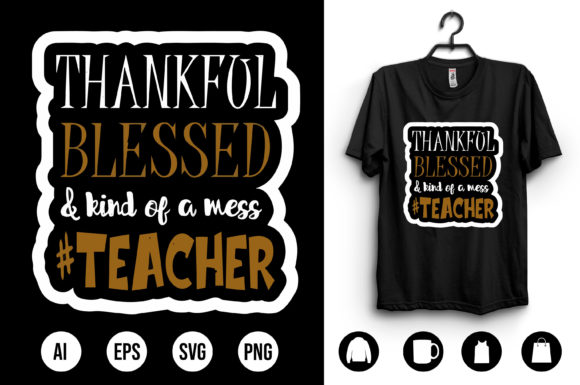
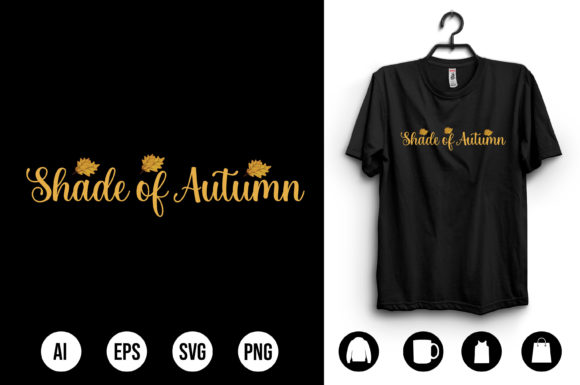
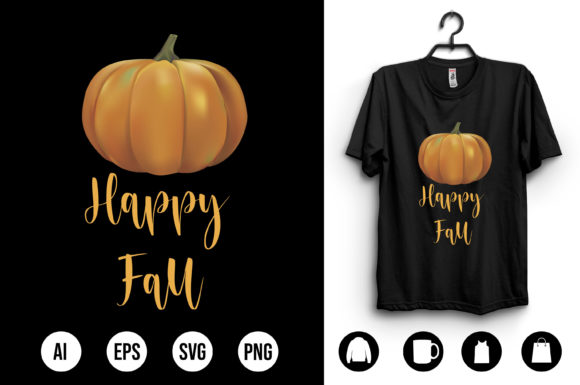
The moment you open the files associated with Fall T-Shirt Design 26, the visual personality jumps out. It captures that specific autumnal warmth without feeling cluttered or generic. The layout feels balanced, suggesting a design that respects the negative space of the garment rather than fighting against it. For an embroidery designer, the initial assessment comes down to shape and detail level. Does it scream "cheap print" or does it look like it belongs on a high-quality sweatshirt?
This design leans heavily into the latter. The curves are smooth, and the thematic elements feel cohesive. Whether you are aiming for a rustic farmhouse aesthetic or a modern graphic tee look, Fall T-Shirt Design 26 offers a clean foundation. It creates an immediate sense of seasonal comfort, making it an ideal candidate for holiday gifts or cozy fall merchandise. The vector nature of the source files means the shapes remain crisp, which is crucial before we even think about thread colors or stitch types.
Real-Life Application: From Screen to Stitch
Let's talk about a scenario I encounter frequently: preparing a custom order for a local craft fair. Imagine you need five embroidered tote bags featuring a cohesive fall theme. You pull up Fall T-Shirt Design 26 and consider its placement. Because the description highlights that the files are editable and resizable, you can easily adjust the dimensions to fit the limited canvas of a tote bag handle or the chest area of a baby onesie.
In practice, this design shines when applied to larger garments like sweatshirts or aprons. The fill areas provide enough surface area for texture, allowing the satin stitches to catch the light beautifully. However, if you decide to use it on a smaller item like a cap or a patch, you must be strategic. The design works well as a standalone piece, but if you plan to combine it with other text or graphics, ensure the spacing remains breathable. A common mistake is cramming too many elements together, which ruins the professional finish of the final product.
Performance on Different Fabrics
The versatility of Fall T-Shirt Design 26 extends to fabric choice, but not all materials are created equal. On stable fabrics like cotton twill or heavy canvas, the design holds its shape impeccably. The stitch density appears manageable, reducing the risk of puckering—a major concern for any designer worried about customer returns.
However, caution is required when moving to stretchy knits or thin, sheer fabrics. If you attempt to embroider this directly onto a lightweight t-shirt without proper stabilizer, the tension could distort the delicate lines. Similarly, textured fabrics like bouclé or fleece might hide some of the finer details, making the design appear softer or less defined than intended. For these applications, testing on scrap fabric is non-negotiable. You need to see how the thread sits against the specific weave before committing to the final piece.
Where to Exercise Caution
While Fall T-Shirt Design 26 is robust, there are specific scenarios where it requires extra attention. Small hoop sizes present a challenge; if the design includes tiny lettering or intricate corners, shrinking it down too much can cause the stitches to merge, creating a muddy appearance. In such cases, the resolution of the original vector helps, but the physical limitations of the machine still apply.
Dense stitch areas should also be monitored. If the design relies heavily on fill stitches in a small radius, it may become stiff and uncomfortable to wear. This is particularly relevant for baby clothing or items that require frequent washing. Over-stitching can lead to fabric damage over time, affecting the longevity of the finished product. Additionally, dark fabrics demand careful consideration of thread contrast. While the file allows for easy color changes, selecting a thread shade that lacks sufficient contrast against a black or navy background will diminish the impact of the design.
Impact on Brand and Customer Perception
For Etsy sellers and small business owners, the quality of the embroidery is the primary driver of trust. A sloppy stitch job can undermine a brand's reputation instantly. Fall T-Shirt Design 26, when executed correctly, elevates the perceived value of the item. It signals professionalism and attention to detail, encouraging customers to pay a premium price for handmade goods.
The design's clean lines and clear shapes make it highly recognizable, which is excellent for branding. Whether used on a personalized gift or a commercial batch of aprons, the consistency of the output reinforces brand identity. Customers notice the difference between a mass-produced print and a well-executed embroidery piece. By choosing a design that balances detail with clarity, you ensure that your finished products stand out in a crowded marketplace.
Practical Notes for the Embroidery Designer
Before you hit the start button on your machine, there are several technical steps to take to ensure success with Fall T-Shirt Design 26.
- Test on Scrap: Always run a test stitch on a piece of scrap fabric similar to your final material. Check for puckering, thread breaks, or color issues.
- Check Thread Contrast: Evaluate how your chosen thread colors interact with the fabric. High contrast usually yields better definition.
- Review Stitch Density: Inspect the design file to ensure the density is appropriate for the fabric weight. Too dense, and the fabric puckers; too sparse, and the coverage looks weak.
- Hoop Size Matters: Confirm that your hoop size accommodates the design without cutting off edges. Adjustments may be needed for curved surfaces like caps.
- Stabilizer Selection: Use the correct stabilizer type (cut-away, tear-away, or water-soluble) based on the fabric's stretch and weight.
- Licensing Check: Verify the licensing terms before selling finished items or distributing digital assets. Ensure you have the right to use the design for commercial purposes.
By following these guidelines, you transform a simple digital file into a tangible asset that adds value to your craft business. Fall T-Shirt Design 26 offers a solid starting point for anyone looking to create high-quality embroidered goods this season. With careful preparation and a keen eye for detail, it can serve as the centerpiece for everything from nursery decor to boutique apparel.
Ultimately, the best designs are those that respect the medium. This design respects the limits of embroidery while offering the flexibility needed for diverse projects. Whether you are a hobbyist making a gift for a neighbor or a seasoned pro fulfilling a bulk order, Fall T-Shirt Design 26 provides the reliability and aesthetic appeal necessary for a successful finished product.