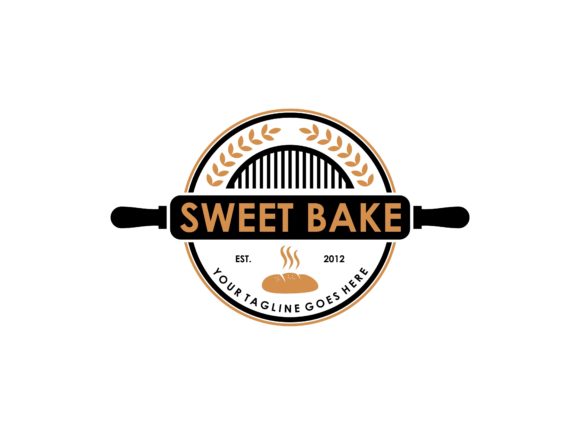
Sweet Bakery Rolling Pin Logo Review
As someone who has spent years turning digital files into tangible, stitched realities, I approach every new download with a mix of excitement and skepticism. There is nothing worse than loading a design onto the hoop only to find it fails in the real world. Today, I am evaluating the Sweet Bakery Rolling Pin Logo, a piece that promises to bring warmth and artisanal charm to any bakery or kitchen-themed project. This review isn't just about what the file looks like on a screen; it is about how this specific design performs when the needle hits the fabric.
The first impression of the Sweet Bakery Rolling Pin Logo is undeniably cozy. The imagery immediately evokes the smell of fresh dough and the sound of rolling pins against flour-dusted countertops. It feels perfectly suited for a boutique bakery, a home-based cake shop, or a handmade gift business. The visual personality is inviting and nostalgic, suggesting quality and care rather than mass production. For designers looking to add a touch of rustic elegance to their portfolio, this graphic offers a strong foundation.
However, the transition from vector art to machine embroidery requires careful consideration. When I opened the zip file containing the eps, png, svg, and transparent background options, I noted the high resolution at 300 dpi, which ensures crisp previews for your Etsy listings or social media mockups. But the true test lies in the stitching. Let's imagine a real-life scenario: I am preparing a custom embroidered tote bag for a local pastry chef who wants to brand her weekend market stall. She needs something that looks professional but retains that homemade feel. Would the Sweet Bakery Rolling Pin Logo hold up?
In this context, the design shines. The rolling pin shape provides a solid central anchor, making it ideal for the center chest area of an apron or the front panel of a sweatshirt. The clean lines translate well to satin stitch, giving the logo a polished look that elevates the perceived value of the finished product. Customers often associate high-quality embroidery with trustworthiness, and a well-executed Sweet Bakery Rolling Pin Logo signals that the business cares about details. It transforms a simple canvas tote into a branded asset that customers are proud to carry around town.
When considering where this design fits best, the versatility is impressive. It works beautifully as a tote bag design for craft fairs, adding a splash of character to a standard accessory. For sweatshirt embroidery, the design brings a sense of comfort and style, perfect for holiday gifts or staff uniforms. In a nursery setting, it could be adapted for a baby item or a pillow cover, creating a charming theme for a future baker. The Sweet Bakery Rolling Pin Logo also serves as an excellent base for an embroidered patch, allowing you to create cohesive branding for small shop products or personalized gifts.
Yet, no design is without its challenges. There are specific situations where you must exercise caution. If you are working with a small hoop size, you need to verify that the intricate details of the logo do not get lost in the stitching. Tiny lettering or fine decorative accents can sometimes blur together if the stitch density is too high or the fabric is too textured. Similarly, applying this to stretchy fabrics like jersey t-shirts requires a heavy-duty stabilizer to prevent puckering. If the design features dense fill stitches, testing on scrap fabric is non-negotiable to ensure the thread doesn't break or the fabric doesn't pucker under the tension.
Dark fabrics present another layer of complexity. While the high-resolution preview shows the design clearly, the actual thread colors must contrast sharply with the background to maintain visibility. A light-colored rolling pin on a dark navy apron might require a backing layer or a specific thread choice to pop effectively. Conversely, on light fabrics, the design should remain legible without overwhelming the material. Always inspect small details and test the design in black and white mockups to check for balance before committing to the final colorway.
For the creative entrepreneur selling custom apparel or digital embroidery files, the Sweet Bakery Rolling Pin Logo offers significant potential. It helps build brand consistency across various items, from tea towels to caps. However, practicality dictates that you understand the limitations of your equipment. Not all machines handle complex curves or dense fills equally well. Before purchasing or using this design commercially, confirm the licensing terms. Ensure you have the right to sell finished items created with this file, especially if you are an Etsy seller or running a craft business.
To maximize the success of your project, follow these essential steps. First, choose the right stabilizer. A cut-away stabilizer is often necessary for items that will undergo frequent washing, such as kitchen towels or aprons. Second, review the stitch density. If the design feels too crowded, consider simplifying the details or adjusting the spacing between elements. Third, test the thread color contrast. Sometimes a color that looks good on a monitor appears muddy once stitched. Finally, always run a test stitch on a scrap piece of the same fabric you intend to use. This simple step can save you hours of frustration and wasted materials.
The Sweet Bakery Rolling Pin Logo is more than just a graphic; it is a tool for storytelling. It tells a story of baking, creativity, and craftsmanship. Whether you are decorating a holiday gift, launching a new line of handmade products, or enhancing your commercial embroidery offerings, this design provides a reliable starting point. Its clean aesthetic allows it to blend seamlessly into various themes while standing out enough to catch the eye.
Ultimately, the value of this design asset comes down to execution. With the right preparation, attention to detail, and understanding of the medium, the Sweet Bakery Rolling Pin Logo can elevate a simple project into a professional masterpiece. It is a smart choice for anyone looking to add a touch of sweetness to their work, provided they respect the technical requirements of machine embroidery. By taking the time to test, adjust, and refine, you ensure that your finished product reflects the high standards your customers expect.