Vintage Retro Sunset 4: A Designer's Real-World Embroidery Review
As someone who has spent years stitching designs for clients, selling on Etsy, and testing digital assets in real-world scenarios, I know that the difference between a good design and a great finished product often comes down to one thing: practicality. When I first encountered Vintage Retro Sunset 4, it wasn't just another graphic file; it was a potential centerpiece for a boutique collection or a personalized gift line. But before I committed to running this through my machine, I had to ask myself how it would translate from a screen to fabric.
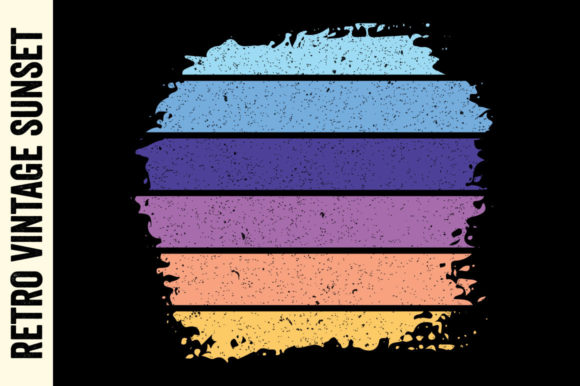
The mood of Vintage Retro Sunset 4 is immediate and nostalgic. It captures that specific warmth of mid-century aesthetics without feeling dated or cluttered. For an embroidery designer, the visual personality here is key. The layout feels balanced, suggesting a design that could work beautifully on a variety of surfaces, from a structured cap to a soft baby onesie. However, the devil is always in the details when we talk about converting graphics into thread.
From Screen to Stitch: The First Impression
When evaluating any machine embroidery design, the first step is analyzing the stitch types and density. Vintage Retro Sunset 4 appears to rely heavily on smooth gradients and bold shapes typical of retro art. In the world of embroidery files, this translates to a mix of satin stitch for outlines and fill stitch for the main body of the sun and horizon. My initial concern with similar designs is usually the transition between colors. If the file isn't optimized, the color changes can look jagged or the fill stitches might pile up, creating a messy texture.
Visually, the design screams "handmade product" quality. It doesn't look like a cheap clip-art stamp; it has character. This is crucial for Etsy sellers and small shop owners who need their items to stand out in a crowded marketplace. The retro vibe suggests a strong connection to craft fairs and boutique branding, where customers are looking for something unique and artisanal. It feels right at home on a canvas tote bag or a linen kitchen towel, adding a touch of vintage charm that mass-produced items simply cannot replicate.
Real-World Application: A Case Study
To truly test the viability of Vintage Retro Sunset 4, let's imagine a real project scenario. I am preparing a custom order for a local coffee shop owner who wants branded aprons for her staff and matching tote bags for takeout orders. She wants something that evokes the morning rush—a warm, inviting sunset feel.
I pulled up the design to see how it would handle the stitch density on heavy-duty cotton twill for the aprons. The curves of the sunset arc nicely, which is excellent for applique design integration if she wanted to add fabric layers. On the tote bags, the design sits perfectly centered, offering enough negative space around the edges so the embroidery doesn't get crushed by the seams. The contrast between the dark thread and the light fabric background would make the finished product pop, increasing customer trust in the brand's attention to detail.
However, the same design presents different challenges on other items. Imagine trying to use this on a baseball cap. While the shape is adaptable, the curved surface of a hat requires careful hooping. If the hoop size isn't managed correctly, the tension on the running stitch areas might pucker the fabric, ruining the retro aesthetic. Similarly, for baby embroidery on delicate onesies, the density of the fill stitch needs to be checked. Too much thread weight on thin fabric can make the garment stiff and uncomfortable for a child.
Where to Exercise Caution
Not every embroidery project is a match for every design. With Vintage Retro Sunset 4, there are specific situations where you should proceed with caution. Small hoop sizes are a major red flag for designs with intricate details. If the file contains tiny lettering or very fine lines within the sunset gradient, they may not register clearly on a small patch or a child's sock. The threads might merge together, blurring the distinct retro style.
Textured fabrics also pose a risk. While the design looks stunning on smooth cotton, applying it to a thick fleece sweatshirt or a rough burlap sack can hide the definition of the thread colors. The texture of the fabric competes with the texture of the stitches. Furthermore, stretchy fabrics like jersey knits require a stabilizer that matches the stretch of the material, or the embroidered patch effect will cause the garment to warp over time. If the client plans to wash the item frequently, such as a daily-wear t-shirt or a kitchen towel, the durability of the stitch placement becomes critical. Dense stitch areas can sometimes trap lint or wear down faster than lighter sections.
Impact on Brand and Value
In the world of commercial embroidery and digital product sellers, the perception of quality drives sales. A well-executed Vintage Retro Sunset 4 design elevates the perceived value of the item. Customers are willing to pay more for a personalized gift or a custom apparel piece that shows clear, crisp stitching rather than a sloppy, pixelated mess. The retro theme itself is highly recognizable, which aids in buyer engagement. It signals that the maker understands current trends while honoring classic styles.
For those creating printable mockups or design assets to sell, the versatility of this design is a huge plus. It fits seamlessly into holiday embroidery collections, wedding gifts, or nursery decor themes. The ability to adapt the color palette—perhaps shifting from warm oranges to cool blues for a winter collection—allows for endless creativity without losing the core identity of the graphics.
Practical Notes for the Designer
Before you hit the "Start" button on your machine, there are essential steps to ensure success. Always test the design on scrap fabric first. This allows you to check the thread color contrast and inspect small details that might have been lost in digitization. Review the stitch density carefully; if it looks too heavy, consider adjusting the settings or using a lighter thread weight.
Confirm your hoop size and choose the appropriate stabilizer for your fabric type. Whether you are working with a tote bag design or a sweatshirt embroidery project, proper stabilization prevents puckering. Inspect the design in black and white mockups to ensure the composition holds up without relying solely on color. Compare how it looks on both light and dark fabric backgrounds, as the embroidery file might need different underlay settings for each.
Finally, verify the licensing terms. Even though this is a digital embroidery file available for purchase, you must confirm whether you have the rights to sell finished items created with Vintage Retro Sunset 4. Some licenses allow for personal use only, while others permit commercial production for craft business items. Check the provided documentation or contact the creator if these details are unclear.
Vintage Retro Sunset 4 is more than just a pretty picture; it is a functional tool for creative entrepreneurs. When used with care and technical precision, it can transform simple materials into high-value, market-ready products. By understanding its strengths and limitations, you can deliver professional results that your customers will love.