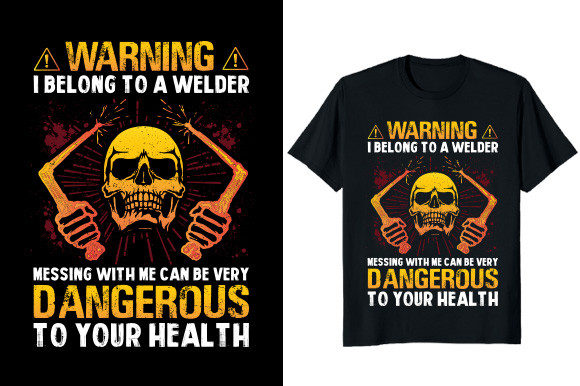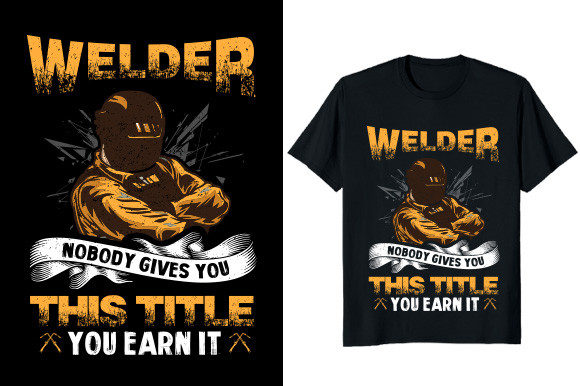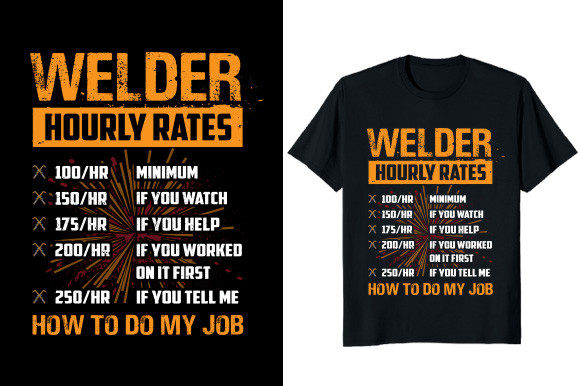
Welder Hourly Rate Graphic T-shirt Review
As a designer who has spent years turning digital concepts into tangible, stitched realities, I know that the difference between a project that feels mass-produced and one that screams "handmade" often lies in the design selection. Recently, I put the Welder Hourly Rate Graphic T-shirt to the test. This isn't just another generic graphic; it is a piece of T-Shirt Designs that speaks directly to the trade with a touch of humor and professional pride. My goal here is to walk you through how this specific embroidery file performs when moved from a computer screen to a real-world hoop, considering everything from stitch density to the final customer reaction.
First Impressions: The Mood of the Stitch
The moment I opened the files for the Welder Hourly Rate Graphic T-shirt, the layout struck me as confident and direct. In the world of embroidery design, clarity is king. Unlike intricate floral patterns that rely on subtle shading, this design leans heavily on bold typography and clear imagery. It creates an immediate mood of respect for the craft of welding. The visual personality suggests a product that belongs on durable goods—places where the wearer wants to make a statement about their profession or their appreciation for skilled labor.
From a design perspective, the balance of negative space is excellent. This is crucial because embroidery requires room for the needle to move without crowding the fabric. The design feels like it was built with the limitations of thread in mind, rather than just ink. It avoids the trap of being too busy, which often leads to muddy results when stitched on textured fabrics like heavy cotton or canvas. It feels like a natural fit for a custom apparel line targeting tradespeople or as a thoughtful gift for someone who works with fire and metal daily.
Real-World Application: Beyond the Standard Tee
While the title suggests a t-shirt, my experience as a reviewer dictates that we look at versatility. I recently considered using this design for a custom embroidered tote bag intended as a corporate gift for a local fabrication shop. The Welder Hourly Rate Graphic T-shirt concept translates beautifully to a sturdy canvas tote. The bold nature of the graphics stands up well against the rough texture of the bag material, ensuring the message remains legible even after months of use.
I also ran a mental simulation for a holiday gift scenario. Imagine a baby onesie or a child's bib embroidered with a scaled-down version of this design. It adds a layer of charm to baby embroidery projects, allowing parents to pass down a sense of family trade history. However, for smaller items like caps or aprons, the placement becomes critical. On a curved surface like a baseball cap, the design needs to be centered perfectly to avoid distortion. If the design elements are too dense near the edges, they might bunch up on the curve, ruining the clean look of the finished product.
For Etsy sellers and small business owners, this design offers a strong hook. It fits perfectly into categories like commercial embroidery or boutique branding. A kitchen towel featuring this graphic could become a bestseller for a home cook who loves grilling or a workshop enthusiast. The key is understanding that the design carries weight; it implies skill and value. When customers see this on a high-quality sweatshirt or a durable patch, they perceive higher value in the item itself.
Technical Considerations for the Embroidery Designer
When working with any embroidery file, especially one labeled as a digital embroidery file for various uses, technical execution is paramount. The Welder Hourly Rate Graphic T-shirt likely utilizes a mix of satin stitches for outlines and fill stitches for solid areas. If you are planning to use this for applique design work, ensure the base fabric is stable enough to support the added layers.
One of the most common pitfalls in machine embroidery design is ignoring stitch density. If the design is too dense, it can cause puckering, especially on lightweight fabrics. Before running a full production batch, I always recommend testing the design on scrap fabric first. This allows you to check the stitch density and adjust the tension if necessary. You also need to review the thread colors carefully. High contrast is essential for readability. If you choose a dark thread on a dark background, the details will vanish, defeating the purpose of the Graphics.
Hoop size is another factor that cannot be overlooked. If the design exceeds your machine's hoop capacity, you will have to split the stitching, which often results in visible seam lines. Ensure you confirm the dimensions before starting. For products that require frequent washing, such as workwear or aprons, securing the design properly with the right stabilizer is non-negotiable. Without adequate backing, the threads may pull out or distort the fabric over time.
Where to Exercise Caution
There are specific scenarios where this design might not perform optimally. Small hoop sizes can struggle with detailed corners or tiny lettering. If the original artwork includes very fine text, it may become illegible when reduced for a small patch or a hat. Additionally, stretchy fabrics like jersey knit can be problematic unless stabilized correctly. The movement of the fabric during stitching can lead to skipped stitches or uneven coverage.
Dense stitch areas should also be approached with care. While fill stitches provide a nice texture, excessive density can make the fabric stiff and uncomfortable, particularly on garments meant for active wear. If you are creating an embroidered patch, ensure the edge finish (like merrowed edges) does not cut off important parts of the design. Finally, consider the longevity of the print versus the stitch. While embroidery lasts longer than screen printing, the choice of thread color fastness is vital for items exposed to sunlight or harsh chemicals.
Impact on Product Value and Brand Consistency
A well-executed embroidery project elevates the perceived quality of the entire brand. Using the Welder Hourly Rate Graphic T-shirt effectively can build trust with buyers. When a customer sees a crisp, professional-looking design on a handmade product, they assume the maker cares about detail. This attention to quality translates directly to buyer engagement and repeat business.
For those selling on platforms like Etsy, having a printable mockup that accurately represents the final stitched look is essential. Do not overpromise on the level of detail that thread can achieve. The design should feel authentic to the medium. If the design looks too much like a flat print, it loses its appeal as a premium embroidered item. By focusing on the tactile nature of the thread and the depth of the stitches, you create a product that feels special and worth the investment.
Final Practical Notes for Makers
Before you commit to a large run of small shop products, take a moment to verify the licensing terms. While the design is marketed for both personal and commercial use, confirming the specifics ensures you can sell your finished items without legal hurdles. Check the file formats provided; having both vector and raster options gives you flexibility in resizing for different applications.
In conclusion, the Welder Hourly Rate Graphic T-shirt is a versatile asset for any crafter or entrepreneur looking to add a touch of industrial charm to their inventory. Whether you are making holiday gifts, personalized products, or expanding your craft business, this design offers a solid foundation. Just remember to test, stabilize, and respect the medium. When done right, the result is a finished product that honors the welder's craft and delights the recipient.