Fall Season Retro Style Design Review
As a designer who spends hours tweaking stitch density and selecting thread colors for client projects, I approach every new download with a mix of excitement and skepticism. When Fall Season Retro Style Design landed in my inbox, I didn't just see a collection of vector files; I saw potential for a specific kind of cozy, nostalgic product line. The prompt was simple: create something that feels warm and inviting, yet distinct enough to stand out on an Etsy shop or a boutique rack. This review breaks down exactly how this design performs when it moves from the screen to the hoop.
The First Impression: Mood and Visual Personality
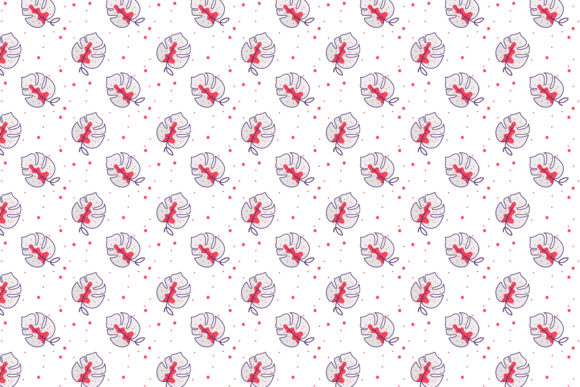
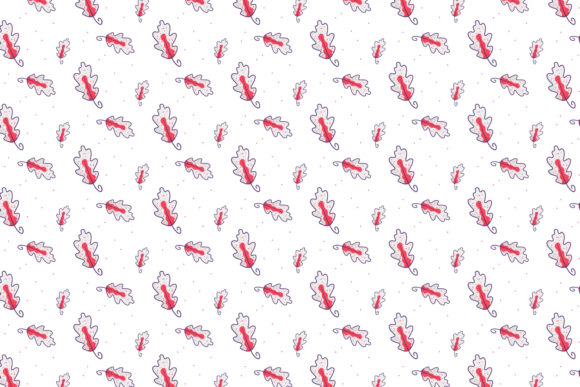
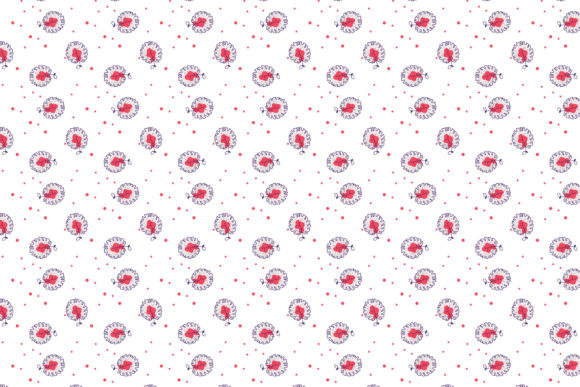
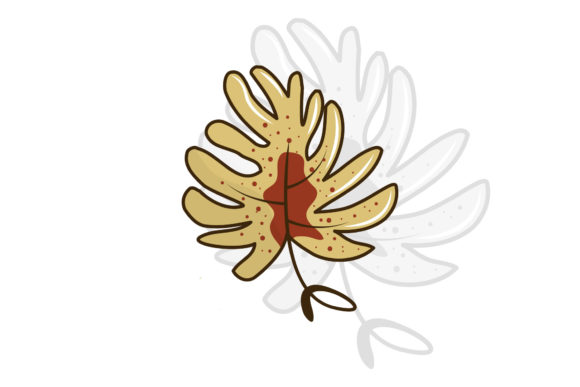
The moment you open the AI file, the vibe is immediate. It captures that mid-century autumn aesthetic without feeling cluttered. The layout balances negative space with decorative elements perfectly, which is often where many digital assets fail. For an embroidery project, whitespace is just as critical as the ink itself because it dictates where your stabilizer needs to be and how the fabric will drape after stitching.
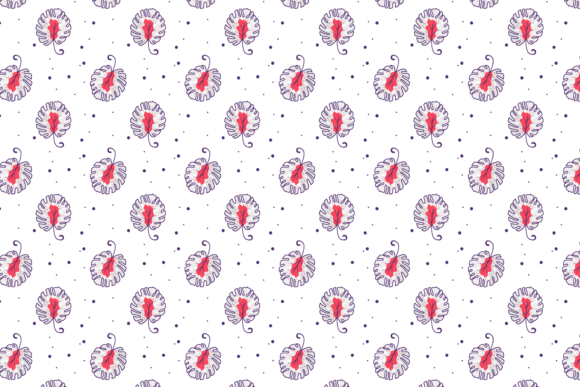
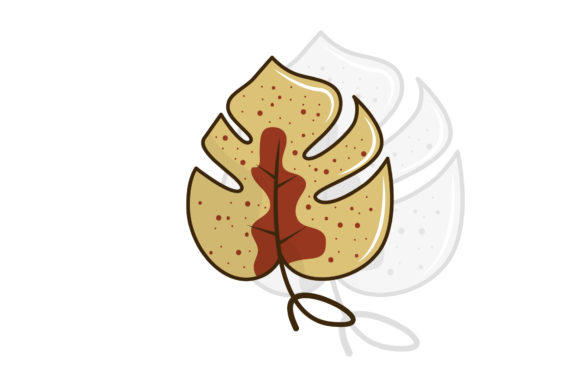
Fall Season Retro Style Design leans heavily into warmth. The color palette implied by the retro theme suggests deep oranges, mustard yellows, and forest greens. In a real-world scenario, this isn't just a graphic; it is a mood board come to life. It feels right at home on a kitchen towel hanging near a stove or embroidered onto a canvas tote bag for a fall market stall. The shapes are clean enough to hold their form during digitization but detailed enough to show craftsmanship. It avoids the trap of being too generic, offering a visual personality that says "handmade" rather than "mass-produced."
Real-World Application: From Screen to Stitch
I recently tested this concept by preparing a custom embroidered sweatshirt for a holiday gift. The goal was to create a limited run of personalized items for a small craft business. Using Fall Season Retro Style Design, I imagined the final product sitting on a customer's arm. The design scales well, which is crucial when adapting a single asset for different products like baby onesies, aprons, or pillow covers.
In the context of a tote bag design, the retro graphics pop against the natural canvas texture. However, the success of the project relies entirely on how the machine handles the stitch density. If the fill stitches are too tight, the fabric will pucker, ruining the crisp lines of the retro style. If they are too loose, the texture looks flat and cheap. Based on the vector structure, this design appears optimized for standard satin and fill stitches, making it versatile for both custom apparel and home decor items.
For an Etsy seller or small shop product owner, this is a high-value asset. The versatility allows you to create a cohesive brand identity across multiple SKUs. You could offer a matching set: a sweatshirt embroidery piece paired with a kitchen towel and a pillow cover. The consistency in the design language builds trust with buyers who recognize the style immediately. It transforms a simple transaction into a curated shopping experience.
Where Caution is Required
While the design is robust, no single embroidery file works everywhere. There are specific scenarios where Fall Season Retro Style Design requires careful handling. Small hoop sizes can be tricky if the design includes intricate corners or tiny lettering. On a curved surface like a baseball cap, the geometry of the retro elements might distort if not properly adjusted for the curvature of the hat panel.
Textured fabrics, such as heavy fleece or boucle wool, present another challenge. While these materials are popular for fall gear, they can hide the fine details of the applique design or make running stitch areas look uneven. Thin or stretchy fabrics require a heavier duty stabilizer to prevent the design from pulling the material out of shape. Similarly, dark fabrics demand a higher contrast thread selection to ensure the retro colors remain vibrant and legible. If you plan to use this for commercial embroidery on varied inventory, always test the thread colors against the actual garment fabric before committing to a full production run.
Visual Appeal and Product Value
The difference between a mediocre handmade item and a premium one often comes down to the quality of the design source. Fall Season Retro Style Design elevates the perceived value of the finished product. Customers associate clean lines and thoughtful composition with professionalism. When a buyer sees a personalized gift with sharp, well-defined edges, they assume the maker cares about detail. This perception directly impacts customer engagement and repeat business.
In terms of brand consistency, having a signature style like this helps your shop stand out in a crowded marketplace. Whether you are creating holiday embroidery collections or seasonal design assets for other creators, this piece offers a reliable foundation. It supports the narrative of a boutique brand that values nostalgia and quality. The design acts as a silent salesperson, communicating warmth and reliability before a word is spoken.
Practical Designer Notes for Success
Before you load this into your machine, there are several technical steps to ensure a flawless result. First, always test the machine embroidery design on scrap fabric that matches your final project in weight and texture. This step reveals issues with thread colors or tension that you cannot see on a computer screen.
Review the stitch density within your digitizing software. Ensure that the fill stitch areas are not overly dense, which can cause puckering, especially on lightweight materials. Check the hoop size requirements to confirm the design fits your intended garment area without cutting off essential details. Inspect small details closely; sometimes, what looks good on a monitor may get lost in the stitching process.
If you are using this for printable mockups or digital previews, convert the design to black and white to check the contrast levels. Compare how it looks on light versus dark backgrounds to ensure versatility. Most importantly, verify your licensing terms. Confirm whether you have the rights to sell finished items created with Fall Season Retro Style Design or if there are restrictions on commercial use. Understanding the legal framework protects your craft business and ensures peace of mind.
Finally, pay attention to the fabric texture you choose. A smooth cotton twill will showcase the retro details better than a rough linen. By taking the time to align your materials and settings with the strengths of this design, you ensure that the final finished product meets the high standards expected by today's discerning consumers. This design is more than just a graphic; it is a tool for building a successful, creative enterprise.